Carpet knowledge
Loop Pile or Cut Pile Carpet: Look Beyond the Colour
Two carpet samples in a similar shade can give a room quite different characters. Much of that difference comes from the surface: its loops, cut ends, direction and texture. Understanding pile is a useful first step, but the label alone does not tell you how a particular carpet will suit your home.
What is the visible difference?
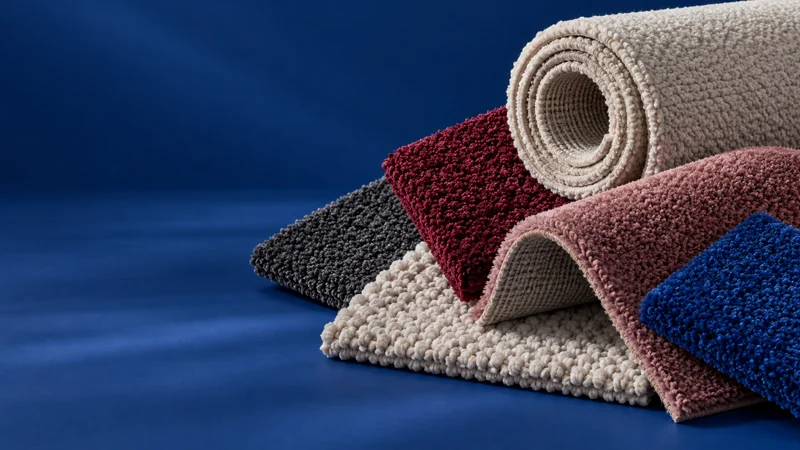
Loop pile leaves loops of yarn visible at the surface. Cut pile has cut yarn ends, creating a different finish. Some constructions combine cut and loop elements to create a pattern or relief. Brintons' explanation of Wilton construction shows how different yarns and surface treatments produce different textures.
These are descriptions of the surface, not a ranking from basic to premium. Look at the actual sample and product information. A broad pile category does not specify the fibre, overall construction, density or recommended use.
Compare samples from the doorway
A sample held directly under your eyes is useful for inspecting the fibres, but the finished floor is usually seen from further away. Put the shortlisted samples on the floor and view them from the normal entrance to the room. Then look from the opposite side.
Notice how light changes the surface. A directional pile can appear different from another viewpoint, while a textured loop creates its own pattern of light and shadow. Consider whether you enjoy that variation rather than expecting every part of a floor to read as a flat block of colour.
Match the specification to the room
Write down how the space is used before deciding that one texture is the practical option. A quiet bedroom, a frequently crossed hallway and a staircase create different questions. Check the manufacturer's suitability information for the exact carpet rather than relying on the feel of a small sample.
Ask about the complete construction and the recommended installation. If a specific concern matters to you, describe it directly. That produces a better answer than asking whether every loop or every cut pile behaves in the same way.
Read the care instructions before choosing
Different carpets can have different cleaning and vacuuming guidance. Look at the instructions for the actual product while you are still comparing options. Make sure you understand any restrictions on equipment or cleaning methods and whether they fit your normal routine.
A care label is not an afterthought to file away once fitting is complete. It is part of deciding whether the surface is right for the room. Keep the product reference and care information together so a later question can be answered accurately.
Make the final comparison specific
Reduce the shortlist to samples you genuinely like, then compare colour, visible texture, intended use and care requirements. Ask how underlay and fitting will be specified for each option. The finished result comes from that whole arrangement, not the pile name alone.
Choosing between loop and cut pile is therefore partly a visual decision and partly a product-specific one. Give both parts time. A texture you enjoy in the room, backed by clear suitability information, is a stronger starting point than a general claim that one style is always best.
Explore the subject: Carpets.